Trusted Heavy Equipment Rental in Saudi Arabia
Compare heavy equipment rental in Saudi Arabia by cost, quality, and fleet. Makcon supplies cranes, excavators, and manpower from one trusted partner.
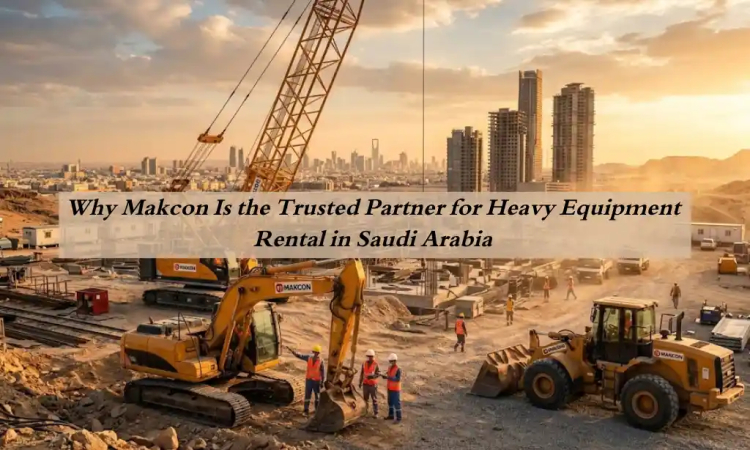
Introduction: Why Heavy Equipment Rental Matters in Saudi Arabia
In Saudi Arabia, renting heavy machinery has become essential to the operations of project owners and contractors. Many businesses now choose to hire equipment that corresponds with each stage of the project rather than purchasing every excavator, crane, or loader. Cost, speed, and the requirement for dependable, contemporary equipment are the main drivers of this change.
The Kingdom is currently experiencing significant economic growth, infrastructural development, and construction related to Vision 2030. A consistent supply of heavy gear is essential for major projects, highways, airports, refineries, rail lines, logistics centres, and new homes. Renting machines is more cost-effective than buying them for many of these undertakings, particularly when demand is tied to contracts or time-bound stages.
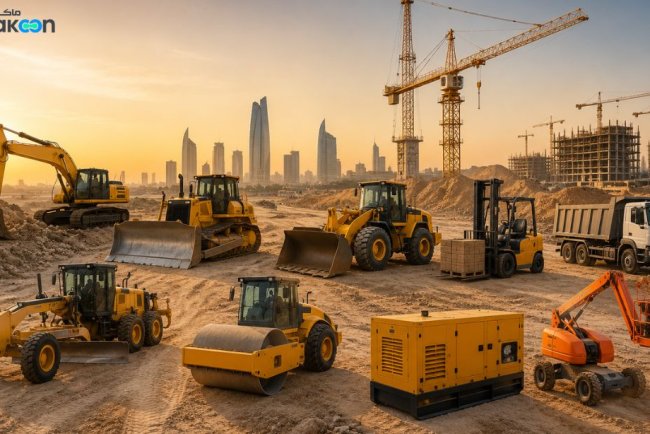
In Saudi Arabia, a variety of machinery is available for hire. Wheel loaders for material handling, graders for road construction, dump trucks for transportation, compactors for compaction of dirt and asphalt, excavators for excavating, cranes for lifting, and bulldozers for pushing soil are typical examples. For complicated job sites, rental businesses can also provide generators, telehandlers, forklifts, and other support equipment.
This article describes how these machines are used in actual projects, how to evaluate Saudi Arabian equipment rental providers, and how to make an informed and safe decision. It is intended for:
· Construction contractors and subcontractors
· Industrial plant owners and facility managers
· Developers of housing, commercial, and logistics projects
· EPC companies working on oil, gas, and infrastructure
· Procurement and project managers who must control cost and risk
You will see clear steps, checklists, and examples, plus a full section on why Makcon is a trusted partner for heavy equipment rental across the Kingdom.
Types of Heavy Equipment
In this section, we build topical authority around the main types of heavy equipment that are commonly rented in Saudi Arabia. Understanding what each machine does helps you select the right mix for your project.
Excavators
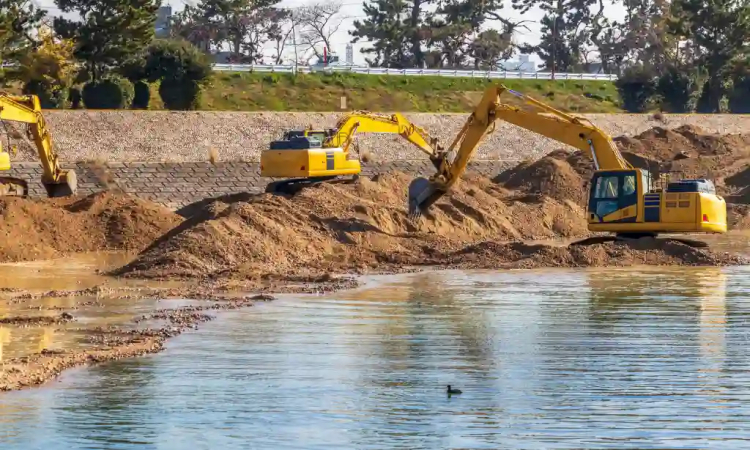
Excavators are tracked or wheeled machines with a boom, stick, and bucket. They are used for digging foundations, trenches, and pits, as well as for demolition and bulk earthwork.
Typical uses:
· Building foundations and basements
· Pipeline trenching
· Excavation for tanks, pits, and underpasses
· Demolition of old structures
Why renting makes sense:
· Different bucket sizes and attachments can be selected per job.
· You can scale up to larger excavators for big cuts, then downsize once bulk earthwork is done.
· No need to store heavy machines during idle months.
Bulldozers
Bulldozers are powerful tracked machines with a front blade. They push soil, rock, and debris, and are often used in the first stages of site preparation.
Typical uses:
· Clearing and grading raw land
· Backfilling around structures
· Building embankments and access roads
Why renting makes sense:
· Bulldozers are expensive to own and maintain.
· Projects often need them heavily at the start, then much less later.
· Renting avoids long periods of underutilisation.
Wheel Loaders
Wheel loaders have a front bucket used for loading trucks, stockpiling material, and feeding crushers or hoppers. They are fast and mobile on firm ground.
Typical uses:
· Loading dump trucks with sand, gravel, or aggregate
· Handling materials in quarries and plants
· Stockyard operations in ports or logistics yards
Why renting makes sense:
· You can choose bucket size and machine capacity to match daily output.
· Rental companies keep loaders well maintained to avoid breakdowns during peak work.
Motor Graders
Graders use a long blade to shape and finish surfaces. They are critical for road construction and large paved yards.
Typical uses:
· Road base shaping and camber formation
· Final grading before asphalt or concrete
· Slope and drainage formation
Why renting makes sense:
· Graders are highly specialised machines.
· Many contractors only need them for specific phases of road works.
· Renting allows access to skilled operators and calibrated blades.
Cranes
Cranes handle lifting and positioning of heavy loads at height or over distance. They can be mobile cranes, crawler cranes, or truck mounted units.
Typical uses:
· Lifting precast panels, steel beams, and equipment
· Tower erection, plant installation, and shutdown work
· Bridge girder placement and structural works
Why renting makes sense:
· Crane purchase and certification costs are very high.
· Safety rules require trained operators and riggers.
· Rental companies manage inspection, certification, and insurance more efficiently.
Backhoe Loaders
Backhoe loaders combine a front loader bucket and a rear excavator arm. They are very versatile, especially on smaller or urban sites.
Typical uses:
· Small excavations for utilities and trenches
· Loading small trucks
· Maintenance work in plants and facilities
Why renting makes sense:
· Ideal when you need one multi purpose machine instead of two.
· Good for maintenance teams that need short term support.
Skid Steer Loaders
Skid steers are compact loaders that can fit into tight spaces and use many attachments.
Typical uses:
· Cleaning narrow areas and basements
· Handling material inside warehouses
· Light earthwork in confined urban plots
Why renting makes sense:
· Projects often need them for short bursts of activity.
· Many different attachments can be supplied as needed.
Dump Trucks
Dump trucks carry soil, aggregate, demolition debris, and other bulk materials.
Typical uses:
· Earthwork haulage on road and building projects
· Quarry and mine haulage
· Transporting materials between stockyards and sites
Why renting makes sense:
· Demand for trucks changes with each project stage.
· Renting lets you increase or decrease fleet size quickly.
Compactors and Rollers
Compactors include single drum rollers, tandem rollers, and plate compactors. They improve soil and asphalt density and stability.
Typical uses:
· Subgrade and subbase compaction
· Asphalt layer compaction on roads and parking areas
· Ground improvement for industrial yards and tank farms
Why renting makes sense:
· Compaction is critical but time bound.
· Access to the correct weight and vibration settings improves quality and reduces rework.
Telehandlers and Forklifts
Telehandlers and forklifts are used for material handling and lifting pallets or equipment.
Typical uses:
· Handling pallets on construction sites and inside warehouses
· Lifting materials to higher floors
· Supporting shutdown and maintenance work in plants
Why renting makes sense:
· Many sites only need these machines during specific phases.
· Rental partners can supply different lift heights and capacities as project needs change.
By understanding these types of heavy equipment, you can speak the same language as equipment rental companies in Saudi Arabia and choose the exact machines needed for each stage of work.
Used in Construction – How Heavy Equipment Powers Projects
Heavy equipment rental in Saudi Arabia supports almost every type of construction activity in the Kingdom. Here is how it fits into key project categories.
Residential Housing and Compounds
For villas, apartment towers, and residential compounds, equipment is needed from the first day of site clearing until final external works.
· Excavators and bulldozers handle excavation, backfilling, and grading.
· Dump trucks move soil and waste off site.
· Cranes lift precast slabs, blocks, and MEP equipment.
· Loaders and skid steers help with material handling in tight plots.
Rental machines help developers adjust fleet size as different phases start and finish.
Commercial and Mixed Use Buildings
Shopping malls, office towers, and mixed use complexes demand precise coordination and lifting capacity.
· Cranes install steel structures, glass façades, and rooftop equipment.
· Telehandlers and forklifts move pallets and materials to upper floors.
· Compact loaders support cleaning and internal logistics.
Using rented machines allows developers to match equipment to each construction milestone.
Roads, Highways, and Bridges
Roads and bridges are heavy users of rental equipment.
· Bulldozers and excavators are used for earthwork and embankments.
· Graders shape the road profile and slopes.
· Dump trucks bring aggregates and asphalt.
· Compactors improve soil and asphalt density for long life.
Many road contractors prefer rental equipment because road projects move across regions, and it is easier to dispatch machines from regional rental yards.
Industrial and Logistics Facilities
Industrial plants, warehouses, and logistics hubs require both heavy construction and long term maintenance support.
· Excavators and loaders handle bulk earthwork, pits, and foundations.
· Cranes install heavy equipment such as tanks, silos, and process units.
· Forklifts and telehandlers support internal logistics long after construction.
Rental plans can be structured so that certain machines stay on long term contracts, while others rotate in and out during peak activity.
Oil and Gas and Mega Infrastructure Projects
Large refineries, petrochemical plants, pipelines, and giga projects need a reliable rental partner more than ever.
· Crawler cranes and heavy lift equipment handle modules and large spools.
· Off road trucks and loaders work in rough terrain.
· Compactors and graders support access roads and facilities.
Projects of this scale rely on equipment rental to avoid large capital outlay and to access specialised machines when required.
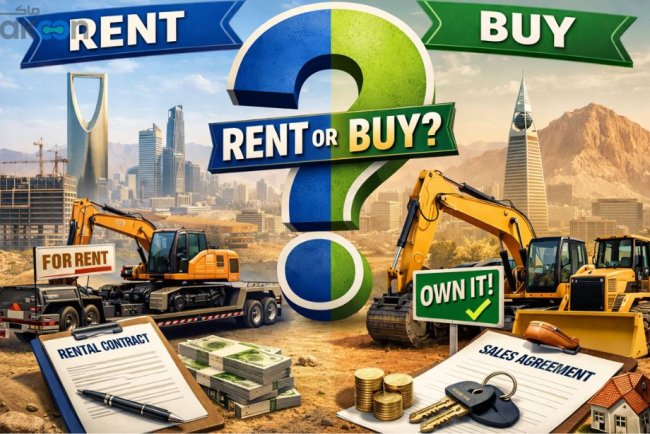
Rent vs Buy – Simple Cost Logic
A basic comparison helps explain why rental is often preferred.
|
Factor |
Buying Equipment |
Renting Equipment |
|
Upfront cost |
Very high capital cost |
No large upfront cost |
|
Utilisation |
Often low between projects |
Pay only when machines are on hire |
|
Maintenance |
Owner pays for workshop, parts, and labour |
Rental company handles planned maintenance |
|
Technology updates |
Harder to upgrade to newer models |
Easy to request newer or specialised models |
|
Project flexibility |
Fleet fixed once purchased |
Fleet can be scaled up or down each month |
For most contractors, renting improves cash flow, reduces idle time, and keeps fleets aligned with current project load.
Heavy Equipment Rental Companies in Saudi Arabia – How to Evaluate
Not all equipment rental companies in Saudi Arabia offer the same level of quality, safety, and support. A clear evaluation method helps you pick the right partner.
Key Factors When Comparing Equipment Rental Companies in Saudi Arabia
1. Fleet size and diversity
- Check how many units of core machines they have.
- Look for a variety of excavators, cranes, loaders, trucks, and compactors.
2. Maintenance standards
- Ask how often machines are inspected and serviced.
- Well maintained fleets break down less and protect your project schedule.
3. Operator certification and skills
- For wet rentals, check operator training, licenses, and experience.
- Confirm that safety inductions and toolbox talks are part of daily routine.
4. Geographic coverage and response time
- Strong regional presence in hubs like Riyadh, Jeddah, Dammam, and Jubail reduces mobilisation time.
- Ask how fast they can deliver or replace machines.
5. Pricing structure and transparency
- Understand hourly, daily, weekly, and monthly rates.
- Ask about overtime, fuel, operator, and transport charges.
6. Compliance and safety records
- Confirm compliance with Saudi safety regulations and client standards.
- Ask for safety statistics or examples of work with major clients.
7. Support services
- Availability of on site technicians and backup units.
- 24/7 support for critical operations and shutdowns.
Common Mistakes When Selecting a Rental Partner
Many project teams repeat the same errors when choosing heavy equipment rental companies in Saudi Arabia:
· Choosing only on the lowest price
- Very low quotes can hide weak maintenance, old machines, or hidden fees.
· Ignoring maintenance history
- A breakdown on site can stop work and cost far more than a slightly higher rental rate.
· Not checking actual fleet availability
- Some suppliers promise machines they do not own, then scramble to source them from others.
· Skipping safety checks
- Working with non compliant equipment or untrained operators increases accident risk and project delays.
· No written agreement or unclear terms
- Missing clauses on damage, downtime, or mobilisation can lead to disputes later.
Step by Step Guide to Choosing the Right Heavy Equipment Rental Company
1. Define your project scope
- List activities, timelines, and approximate quantities of work.
- Identify the main equipment types needed in each phase.
2. Prepare a basic requirement sheet
- Machine type, capacity, attachments, rental duration, and site location.
3. Shortlist 3 to 5 equipment rental companies in Saudi Arabia
- Use search, industry referrals, and past experience.
- Include at least one company with proven multi sector work.
4. Request detailed quotes
- Ask for machine specifications, age, rates, operator charges, and transport cost.
- Request terms and conditions in writing.
5. Compare using a simple evaluation checklist
- Score each supplier on fleet, maintenance, safety, pricing, and support.
6. Conduct a short technical and commercial meeting
- Clarify doubts, confirm mobilisation time, and understand escalation paths.
7. Pilot with a smaller scope where possible
- For long projects, start with a limited package to test service quality.
Simple Evaluation Checklist (Table)
|
Evaluation factor |
Questions to ask |
Score (1-5) |
|
Fleet and availability |
Do they have enough units of the exact machines? |
|
|
Maintenance and uptime |
How do they handle breakdowns and preventive care? |
|
|
Safety and compliance |
Are operators certified and equipment compliant? |
|
|
Coverage and logistics |
How fast can they deliver and replace machines? |
|
|
Pricing and transparency |
Are all charges clear and written in the contract? |
Total scores help you make a balanced decision, not just a price based one.
Why Makcon Is the Trusted Partner for Heavy Equipment Rental in Saudi Arabia
Makcon, also known as Mithaq Services General Contracting, is a specialised heavy equipment rental company in Saudi Arabia with a strong footprint across the Kingdom. It supports construction, oil and gas, infrastructure, and industrial projects with equipment rental, manpower supply, material supply, and industrial support services.
Experience Across Sectors and Regions
Makcon works with clients in:
-
Building and infrastructure construction
-
Oil and gas and petrochemical projects
-
Industrial plants and logistics facilities
-
Government and private sector developments
With operations that cover key regions including the Eastern Province, Riyadh, Jeddah, Jubail, and Dammam, Makcon can mobilise equipment quickly to major industrial and construction hubs.
Reliable Fleet and Preventive Maintenance
Makcon maintains a versatile range of heavy equipment, including:
-
Excavators, loaders, and bulldozers
-
Cranes and lifting equipment
-
Trucks and material handling units
-
Compaction and support machines
Each unit is maintained under clear inspection and service routines. This preventive approach reduces breakdowns, protects client timelines, and supports safe operations on site.
Safety, Compliance, and Certified Operators
Safety is central to heavy equipment work. Makcon supports clients with:
-
Operators who are trained and experienced for specific machine categories
-
Compliance with client and regulatory safety requirements
-
A focus on correct rigging, signalling, and lifting practices
By choosing a rental company that takes safety seriously, project owners can reduce accident risk and improve site discipline.
Flexible Rental Plans and Project Based Support
Every project is different. Makcon offers:
-
Short term and long term rental plans
-
Dry rental options where clients supply operators
-
Wet rental solutions with certified Makcon operators
-
Support from technicians for on site troubleshooting
This flexibility means you can start a project with a basic fleet, then add or adjust machines as work expands.
How to Get a Quote From Makcon
Getting started with Makcon is simple:
1. Prepare a short list of equipment needed with quantities and approximate durations.
2. Share your site location, project type, and expected start date.
3. Contact Makcon via phone, email, WhatsApp, or the contact form on the website.
4. Review the proposal, clarify terms, and align on mobilisation plan.
A clear project brief plus a responsive equipment rental company in Saudi Arabia is the best foundation for safe and efficient work.
Frequently Asked Questions
1. What is included in heavy equipment rental in Saudi Arabia?
Heavy equipment rental in Saudi Arabia usually includes machines such as excavators, cranes, bulldozers, wheel loaders, graders, dump trucks, compactors, telehandlers, and forklifts. Depending on the agreement, rental may cover only the machine or the machine plus operator, fuel, and support.
2. How much does heavy equipment rental cost in Saudi Arabia?
Rates vary by machine type, size, age, rental duration, and site location. Long term contracts often have lower daily rates than very short term hires. Special lifting equipment and large cranes usually cost more than standard earthmoving machines. It is best to request a written quote based on your exact scope.
3. What is the minimum rental duration?
Many equipment rental companies in Saudi Arabia offer daily, weekly, and monthly plans. Some machines, such as cranes, may have a minimum number of hours or days. Clarify minimum billing periods, overtime charges, and standby rates before you sign the contract.
4. Can I rent equipment with a certified operator?
Yes. Wet rental, where the supplier provides both machine and operator, is common for cranes and complex heavy equipment. The operator cost is either included in the hourly rate or listed separately. Always confirm operator qualifications and experience.
5. How quickly can equipment be delivered to site?
Delivery time depends on fleet availability and distance from the rental yard to your project. In major regions like Riyadh, Dammam, and Jeddah, same day or next day delivery is often possible when machines are available. For remote locations, some extra planning time is needed.
6. What documents are required to rent heavy equipment?
Business customers are usually asked for company details, commercial registration, and a purchase order or formal agreement. For wet rental, additional documents related to site safety rules and access permits may also be needed.
7. Is it better to rent or buy heavy equipment for long projects?
If you have many continuous projects of the same type, buying may be an option. But for most contractors, renting remains more flexible. It avoids large upfront cost, allows easy scaling of fleet size, and reduces the burden of maintenance and storage.
8. Does Makcon provide equipment across Saudi Arabia?
Makcon serves projects across the Kingdom, including the Eastern Province, Riyadh, Jeddah, Jubail, Dammam, and other industrial and construction hubs. For very remote sites, delivery can be arranged based on project needs.
9. Can I change the type or number of machines during the rental period?
In many cases yes. You can discuss your project plan with the rental company and adjust the fleet as site conditions change. This is one of the main advantages of working with flexible heavy equipment rental companies in Saudi Arabia.
10. What happens if the rented machine breaks down?
A reliable rental partner will send a technician, provide a replacement machine, or stop billing for the downtime period, depending on the agreed terms and the cause of the breakdown. Make sure these points are clearly written in the contract.
Talk to Makcon About Your Heavy Equipment Needs
If you are planning a project and need safe, reliable heavy equipment rental in Saudi Arabia, you can reach Makcon for a clear and detailed quote. Share your scope, location, and timelines, and the team will suggest the right mix of machines and rental plans.
Visit: https://mak-con.com/contact
Call or WhatsApp: +966 56 849 1941
Email: sales@mak-con.com
End Note
Choosing the right heavy equipment partner is not only about machines. It is about safety, uptime, and trust. With clear evaluation steps and an understanding of how rental supports modern projects in Saudi Arabia, you can make better decisions and protect your budgets.
Makcon combines fleet strength, maintenance discipline, and regional experience to support projects across the Kingdom. When you match a strong rental partner with a clear project plan, your site becomes safer, faster, and more predictable.
Key Takeaways
- Start by understanding which types of heavy equipment you actually need at each project phase.
- Renting often works better than buying because it protects cash flow and avoids long idle periods.
- When comparing equipment rental companies in Saudi Arabia, look beyond price to fleet quality, maintenance, safety, and support.
- Use a simple evaluation checklist and written contract to avoid hidden costs and disputes.
- Local coverage in major regions like Riyadh, Jeddah, Dammam, and Jubail reduces mobilisation time and improves service.
- Makcon offers heavy equipment rental alongside manpower, material supply, and industrial support services, which helps clients manage projects more smoothly.
- Clear communication about timelines, site conditions, and safety rules leads to fewer delays and safer operations.
What's Your Reaction?